Design Is a Theory of the World
Every design decision embeds an assumption about how the world works. Most of those assumptions go unexamined. That's where the interesting problems live.
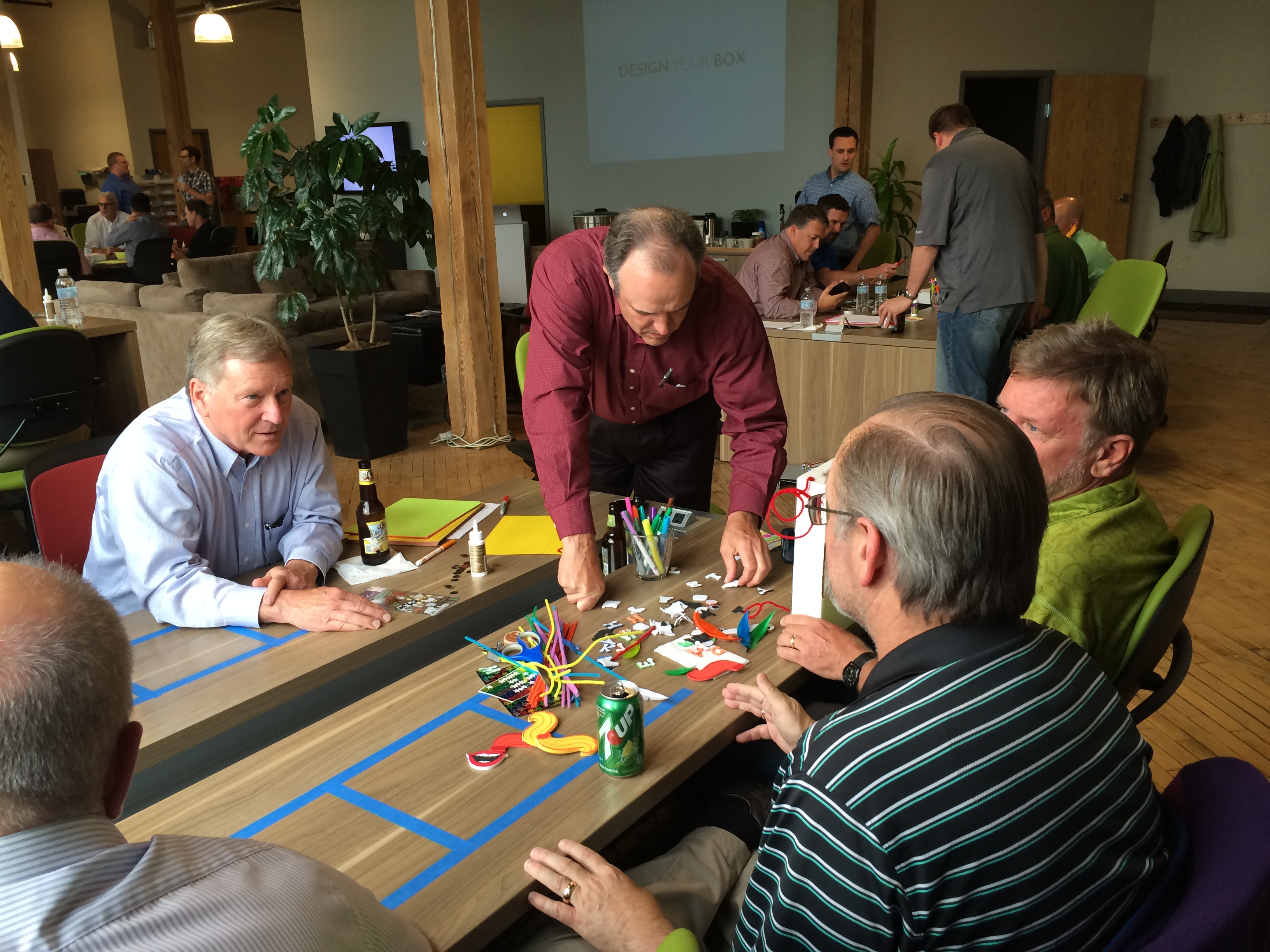
Focus groups of Dematic users use innovation games to demonstrate their daily challenges.
When I was starting out as a designer, I thought of design as problem-solving. You had a problem, you had constraints, you found a solution that fit. Clean, logical, satisfying.
I don’t think that anymore. Or rather, I think that’s true of a narrow slice of design work, the implementation layer, where the problem is genuinely specified and the task is execution. But the more interesting and more consequential design work is earlier, in the space where you’re deciding what the problem is in the first place.
That’s where design becomes something more like theory-building. Every design decision you make, about who the user is, what they already know, what they care about, what context they’re operating in, is a claim about the world. A bet about how things are and how they work.
The scary thing is that most of these bets are invisible. We make them automatically, based on our own experience, our mental models of users who are often very different from us, our assumptions about what counts as a problem worth solving. And then we build around those invisible bets, and ship them, and wonder why the thing doesn’t work the way we expected.
User research, at its best, is the practice of making these bets visible before you ship, creating enough contact with actual reality that your theory of the world gets pressure-tested against it. Not to achieve certainty, that’s impossible, but to identify the assumptions that are most likely to be wrong.
I’ve come to think of this as the actual core skill in product design: not the execution, but the epistemics. Not how do I build this? but how do I know what’s worth building?